Why Is Remote Employee Monitoring Software Becoming Essential for Modern Teams?

How can businesses maintain productivity, accountability, and operational visibility when employees work from different locations? Many organizations struggle with delayed communication, inconsistent workflows, and reduced oversight in distributed environments. This is where remote employee monitoring software helps companies track work patterns, measure efficiency, and improve collaboration without disrupting employee flexibility.
Modern businesses no longer rely solely on physical supervision. Instead, they use digital solutions that provide real-time insights into attendance, application usage, task progress, and workflow performance. When implemented responsibly, monitoring tools help managers identify productivity gaps, support employees more effectively, and maintain operational consistency across remote and hybrid teams.
Why Businesses Need Better Workforce Visibility
Remote work offers flexibility, but it also creates management challenges. Leaders often lack direct insight into employee activities, project progress, and workload distribution. Without proper visibility, inefficiencies can remain unnoticed for weeks.
Organizations commonly face issues such as:
Missed deadlines due to unclear accountability
Reduced collaboration between departments
Difficulty measuring productivity fairly
Inaccurate attendance tracking
Increased operational confusion during scaling
Monitoring platforms solve these problems by centralizing employee activity data into one manageable dashboard.
Core Functions That Improve Daily Operations
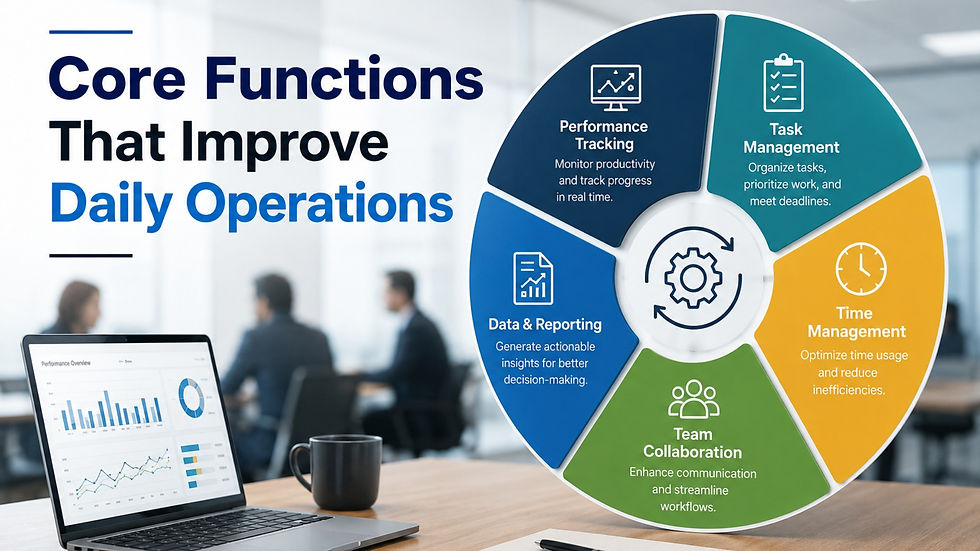
Effective workforce tracking systems are designed to support productivity instead of creating unnecessary pressure. The best platforms focus on measurable operational improvements.
Activity Tracking
Activity monitoring allows managers to understand how working hours are being utilized. This includes:
Active and idle time analysis
Application and website usage
Work session tracking
Productivity trend reports
These insights help organizations identify workflow inefficiencies and optimize team performance.
Attendance and Scheduling
Accurate attendance systems reduce payroll errors and improve accountability. Features often include:
Automated clock-in and clock-out systems
Shift management
Break tracking
Overtime monitoring
This structure creates transparency for both managers and employees.
Project Oversight
Remote teams often work across multiple tools and platforms. Monitoring systems simplify project oversight through:
Task progress visibility
Workload balancing
Team performance analytics
Real-time reporting dashboards
Managers can quickly detect delays before they impact larger business goals.
The Role of Analytics in Workforce Efficiency
Data-driven decision-making has become critical for growing organizations. Workforce analytics provide measurable insights instead of assumptions.
Companies can use reporting tools to:
Identify productivity bottlenecks
Compare departmental performance
Understand employee engagement patterns
Improve resource allocation
Strong analytics also support better strategic planning because leaders gain clearer visibility into operational behaviour over time.
Building Trust While Monitoring Teams
Employee monitoring should never feel invasive or punitive. Businesses achieve better outcomes when transparency, communication, and effective time management are prioritized.
Best practices include:
Informing employees about monitoring policies
Explaining how the collected data will be used
Focusing on productivity improvement instead of micromanagement
Encouraging feedback regarding workplace concerns
Trust-driven implementation creates healthier remote work environments and improves long-term employee satisfaction.
How Smart Tracking Supports Better Workflow Balance
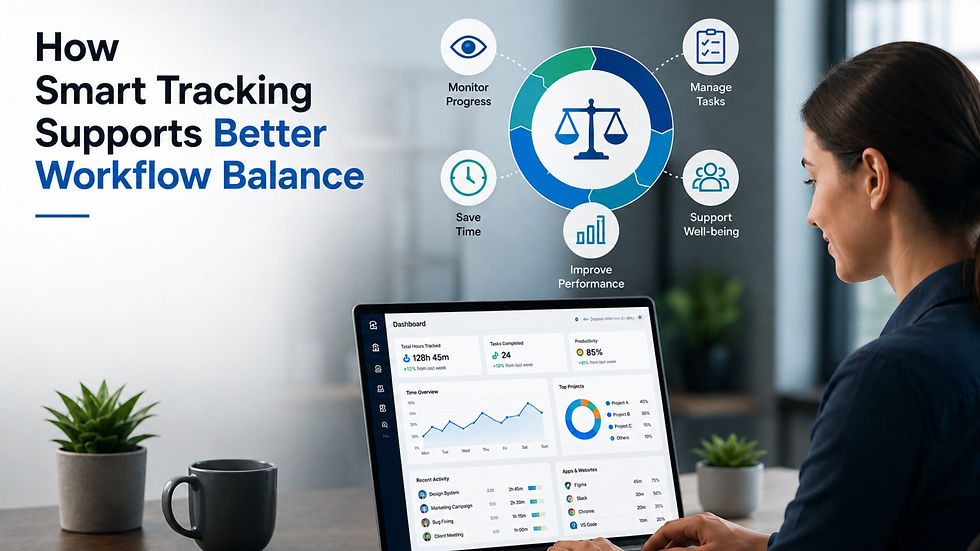
One overlooked advantage of workforce tracking systems is their ability to reveal unhealthy workload patterns. Some employees may appear productive while silently experiencing burnout due to excessive task allocation.
Managers who review operational data carefully can improve workload distribution and support healthier work habits. This contributes to stronger collaboration, better employee morale, and improved productivity across departments.
Balanced workflows ultimately reduce errors, improve consistency, and create more sustainable productivity standards.
Important Features Businesses Should Prioritize
Not every platform delivers the same value. Businesses should evaluate software based on operational needs rather than choosing tools with unnecessary complexity.
Essential Features to Look For
Real-time activity dashboards
Productivity reporting
Attendance tracking
Project monitoring tools
Data security protections
User-friendly interface
Scalability for growing teams
Solutions that combine these features typically deliver stronger long-term operational value.
Choosing the Right Platform for Long-Term Growth
Selecting the right solution depends on company size, industry requirements, and workforce structure. A startup may prioritize affordability and simplicity, while larger organizations often require advanced analytics and integration capabilities.
Before choosing a platform, businesses should evaluate:
Current operational challenges
Workforce size and scalability needs
Reporting requirements
Integration compatibility
Security expectations
Testing software through free trials or demos can also help organizations determine whether the system fits existing workflows effectively.
You can also watch: EmpMonitor: All-In-One Workforce Management Solution | Employee Monitoring Software
Conclusion
Remote employee monitoring software continues to play a significant role in helping businesses manage distributed teams with greater clarity and efficiency. When used responsibly, these platforms improve accountability, streamline workflows, strengthen operational visibility, and support better decision-making across remote environments.
Organizations that focus on transparency, employee support, and balanced productivity often achieve the best results from workforce monitoring systems. As remote and hybrid work models continue evolving, businesses that invest in structured workforce management solutions will likely maintain stronger operational stability and long-term performance.
Frequently Asked Questions
Is employee monitoring suitable for small businesses?
Yes. Small businesses often benefit from improved accountability, attendance accuracy, and simplified workflow management.
Can monitoring tools improve productivity?
They can improve visibility into workflows, helping managers identify inefficiencies and optimize team performance.
Do monitoring systems affect employee trust?
Trust depends on implementation. Transparent communication and ethical policies usually create a healthier workplace acceptance.


Comments