Is a Performance Tracker for Employees the Missing Link to Better Team Accountability?
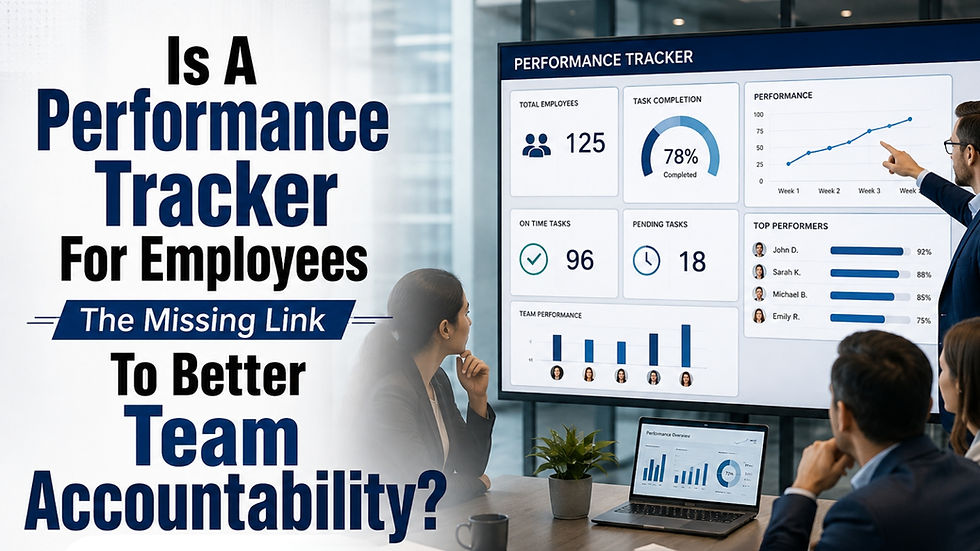
Have you ever wondered why some teams consistently hit their goals while others struggle despite having talented people and clear objectives? The difference often comes down to visibility, communication, and accountability. A performance tracker for employees can help organizations understand progress, identify obstacles early, and create a culture where expectations are clear. From small startups to large enterprises, businesses are increasingly relying on measurable insights instead of assumptions. When used correctly, tracking systems do not exist to micromanage workers; they provide a structured way to support growth, recognize achievements, and ensure that everyone is moving toward shared business objectives.
Why Accountability Matters More Than Ever
Modern workplaces have become more flexible, distributed, and outcome-driven. While flexibility improves employee satisfaction, it can also create challenges for managers who need accurate visibility into progress.
Strong accountability delivers several benefits:
Clear ownership of responsibilities
Faster identification of project delays
Better communication between teams
Improved resource allocation
More consistent achievement of business goals
When employees understand how success is measured, they are more likely to stay focused and aligned with organizational priorities.
The Shift From Assumptions to Data-Driven Management

Many managers rely on intuition when evaluating team performance. While experience is valuable, decisions supported by reliable data are typically more accurate and fair.
A modern tracking approach provides:
Objective Performance Insights
Managers can review completed tasks, project milestones, attendance trends, and productivity indicators, including staff attendance, rather than relying solely on subjective observations.
Early Detection of Challenges
Potential issues become visible before they turn into serious problems. Delayed projects, workload imbalances, or communication gaps can be addressed quickly.
Better Performance Reviews
Regular data collection creates a stronger foundation for employee evaluations. Feedback becomes more specific, actionable, and credible.
Key Features That Create Real Business Value
Not every tracking solution delivers meaningful results. The most effective systems focus on practical business outcomes rather than excessive monitoring.
Goal Tracking
Employees can view assigned objectives, deadlines, and progress status in one place. This transparency helps everyone stay aligned with company priorities.
Task Visibility
Managers gain a clearer understanding of project progress without needing constant status meetings or follow-up messages.
Productivity Analytics
Work patterns can reveal opportunities to improve efficiency, reduce bottlenecks, and support employee development.
Reporting Capabilities
Automated reports save administrative time while providing leadership with useful insights for decision-making.
Common Mistakes Organizations Should Avoid

Technology alone cannot solve performance challenges. Businesses often reduce effectiveness by making avoidable implementation mistakes.
Focusing Only on Monitoring
Employees respond better when employee tracking tools are positioned as support systems rather than surveillance mechanisms. Transparency about goals and expectations is essential.
Ignoring Employee Feedback
Workers use these systems daily. Their input can highlight usability issues, workflow problems, and improvement opportunities that leadership may overlook.
Tracking Too Many Metrics
Collecting excessive information creates confusion and distracts from meaningful outcomes. Organizations should focus on metrics directly connected to business objectives.
Lack of Clear Goals
Even the most advanced software cannot improve results if employees do not understand expectations. Every tracked metric should connect to a defined objective.
Practical Ways to Improve Adoption
Successful implementation requires more than simply installing software.
Consider these proven practices:
Explain the purpose and benefits before rollout.
Provide training sessions for managers and employees.
Establish measurable goals tied to business outcomes.
Review collected insights regularly.
Use findings to coach and support employees.
Celebrate achievements identified through performance data.
Organizations that prioritize communication and employee involvement generally achieve stronger adoption rates and better long-term results.
You can also watch: EmpMonitor: All-In-One Workforce Management Solution | Employee Monitoring Software
Conclusion
Performance tracker for employees solutions can play a valuable role in strengthening accountability, improving visibility, and supporting better decision-making across modern organizations. The greatest results come when businesses focus on transparency, meaningful metrics, and employee development rather than excessive oversight. By combining technology with effective leadership practices, organizations can create a workplace culture built on trust, measurable progress, and continuous improvement. If your team struggles with alignment or visibility, now is the ideal time to evaluate a smarter performance management approach.
FAQs
What is an employee performance tracking system?
An employee performance tracking system is a tool or process that helps organizations monitor goals, task completion, productivity trends, and overall progress. It provides managers and employees with clear visibility into expectations, achievements, and areas requiring improvement while supporting fair and data-driven evaluations.
How much does performance tracking software typically cost?
Pricing varies depending on features, company size, and deployment requirements. Basic solutions may cost only a few dollars per user monthly, while advanced enterprise platforms can require larger investments. Organizations should evaluate functionality, scalability, support, and reporting capabilities before choosing a solution.
What is the biggest mistake companies make when implementing tracking tools?
One of the most common mistakes is focusing entirely on monitoring instead of development. Employees are more likely to embrace tracking systems when leaders communicate benefits clearly, provide proper training, and use collected insights to support growth, recognition, and collaboration rather than punishment.


Comments