Can Small Workflow Changes Really Maximize Productivity in Modern Teams?
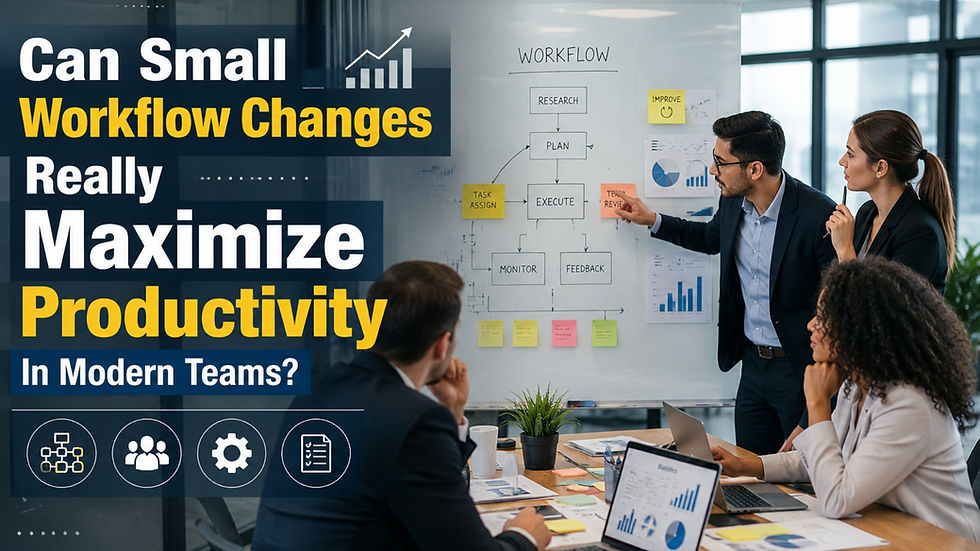
Have you ever wondered why some teams consistently achieve more without appearing overwhelmed? The answer often lies in the systems they follow rather than the number of hours they work. Businesses today face constant distractions, communication gaps, and growing workloads that reduce efficiency over time. To maximize productivity, organizations are now focusing on practical workflow improvements, smarter collaboration methods, and transparent operational processes instead of relying on outdated management styles. Teams that implement structured communication, realistic scheduling, and measurable performance tracking usually experience stronger accountability and better results. Small operational changes can create a major difference when applied consistently across remote, hybrid, and in-office environments.
Why Traditional Productivity Methods No Longer Work
Many businesses still rely on outdated management approaches that prioritize monitoring hours instead of measuring meaningful outcomes. This often creates employee frustration, communication delays, and reduced engagement.
Modern workplaces operate differently. Remote collaboration, digital task management, and flexible work arrangements require systems that support visibility without creating pressure. Companies that fail to adapt usually struggle with missed deadlines, inefficient reporting, and inconsistent team performance.
A more balanced productivity strategy focuses on operational clarity, realistic goals, and transparent workflows that encourage accountability while maintaining employee trust.
The Importance of Workflow Visibility
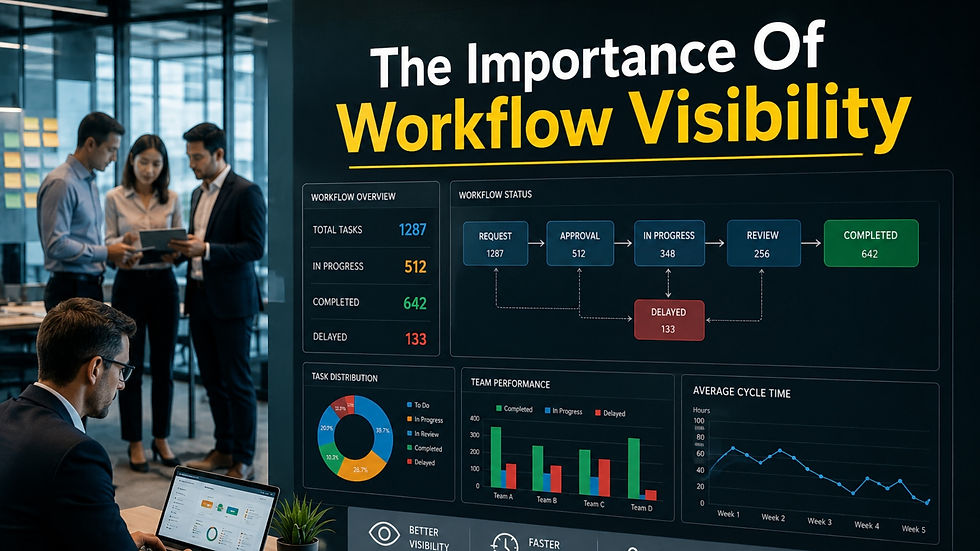
One of the biggest reasons organizations lose efficiency is the lack of visibility into daily operations. Managers may not understand where delays occur, while employees often face unclear expectations.
Businesses that improve workflow visibility generally benefit from:
Faster task completion
Better communication between departments
Reduced operational confusion
More accurate project tracking
Improved team accountability
Clear visibility allows organizations to identify bottlenecks before they become larger operational problems.
Real Example From Remote Operations
A mid-sized customer support company shifted from manual reporting systems to centralized workflow monitoring. Within three months, managers noticed repeated delays during task handoffs between departments.
Instead of increasing employee pressure, the company simplified approval processes and introduced structured reporting schedules. The result was shorter response times, fewer missed tasks, smoother collaboration across distributed teams, and stronger workforce engagement.
This demonstrates how operational transparency can improve efficiency and workforce engagement without increasing workload intensity.
Smarter Communication Improves Efficiency
Communication problems remain one of the most common productivity barriers in growing organizations. Endless meetings, scattered messages, and unclear instructions consume valuable time.
Effective teams usually follow communication practices such as:
Centralized Updates
Keeping project discussions within organized platforms prevents confusion and reduces repeated questions.
Defined Responsibilities
Employees perform better when they clearly understand ownership, deadlines, and expectations.
Shorter Meetings
Brief, goal-oriented meetings save time and maintain focus compared to lengthy discussions with unclear outcomes.
Documentation Standards
Well-documented workflows help teams avoid repetitive explanations and simplify onboarding for new employees.
Organizations that strengthen communication systems often experience fewer operational disruptions and stronger collaboration.
The Role of Performance Insights

Successful businesses increasingly rely on data-driven decisions instead of assumptions. Operational insights help managers understand team patterns, workload distribution, and efficiency trends more accurately.
However, productivity tracking should support improvement rather than create unnecessary pressure while promoting workload balancing.
Useful performance insights may include:
Task completion patterns
Time allocation trends
Workflow delays
Collaboration efficiency
Resource utilization
These insights help leaders make informed adjustments that improve operational consistency over time.
Building Sustainable Work Habits
Many companies attempt to improve efficiency through aggressive targets or excessive monitoring. While this may create temporary results, it often leads to burnout and declining morale.
Sustainable productivity focuses on long-term operational health.
Healthy workplace practices include:
Realistic deadlines
Balanced workloads
Flexible scheduling where possible
Clear expectations
Regular process evaluations
Businesses that prioritize sustainable systems often retain employees longer while maintaining stronger operational performance.
You can also watch: EmpMonitor: All-In-One Workforce Management Solution | Employee Monitoring Software
Conclusion
Maximize productivity requires more than longer working hours or stricter management practices. Modern organizations achieve stronger results by improving workflows, simplifying communication, increasing operational visibility, and building sustainable work habits. Businesses that focus on clarity, accountability, and realistic performance expectations often create healthier and more efficient teams over time. Instead of searching for quick fixes, companies should prioritize long-term operational improvements that support both employee performance and organizational growth. Start evaluating current workflows today and identify small process improvements that can create lasting operational benefits.
FAQs
What is the best way to improve workplace productivity?
Clear communication, organized workflows, realistic deadlines, and better operational visibility help teams work more efficiently without creating unnecessary pressure.
How much does productivity management software typically cost?
Pricing depends on features and team size. Basic tools are usually affordable for small businesses, while advanced enterprise platforms cost more due to analytics and automation features.
What mistakes reduce team productivity the most?
Poor communication, excessive meetings, unrealistic deadlines, and disconnected tools often reduce efficiency and create workflow confusion across teams.


Comments