Are Citrix Session Recording Tools Still Essential for Secure Remote Work?

Remote work transformed how organizations manage security, compliance, and employee access. Yet many IT teams still struggle to track suspicious activity, investigate incidents, and maintain accountability across distributed systems. That raises an important question: are Citrix session recording tools still necessary in modern digital workplaces, or have newer monitoring solutions replaced them?
From financial institutions to healthcare providers, businesses handling sensitive data often rely on session visibility to meet regulatory expectations and protect internal systems. Experienced administrators understand that recording user activity is not about surveillance alone. It also helps resolve disputes, improve troubleshooting, and identify operational weaknesses before they become security incidents. As hybrid work becomes permanent, organizations are reevaluating how session tracking fits into long-term cybersecurity strategies.
Why Session Visibility Matters More Than Ever
Organizations today operate in highly decentralized environments. Employees log in from multiple devices, locations, and networks, increasing the risk of unauthorized access and accidental data exposure.
Session monitoring creates a detailed playback of user actions within virtual environments. This allows administrators to:
Investigate suspicious behavior quickly
Detect policy violations
Reduce insider threats
Support compliance audits
Improve incident response timelines
In industries with strict regulations, maintaining accurate activity records is often considered a practical security requirement rather than an optional feature.
Compliance Expectations Continue to Increase

Security frameworks now expect businesses to maintain stronger visibility into user activity. Financial services, healthcare providers, and legal organizations frequently face audits requiring proof of secure system access and controlled data handling.
Without reliable tracking, organizations may struggle to demonstrate compliance during security reviews. Experienced IT managers often recommend integrating session monitoring into broader governance policies instead of treating it as an isolated security layer, especially in environments operating under a hybrid work schedule.
Common Challenges Businesses Face
Many companies adopt monitoring systems without fully understanding operational requirements. This leads to unnecessary storage costs, performance issues, or incomplete recordings.
Some of the most common mistakes include:
Recording Everything Without Prioritization
Capturing every session can quickly overwhelm storage infrastructure. Security professionals typically advise focusing on high-risk users, privileged accounts, and sensitive workflows instead.
Ignoring Employee Transparency
Businesses that implement monitoring without clear communication often create distrust within teams. Ethical deployment requires documented policies explaining when recordings occur, how data is stored, and who can access it.
Failing to Review Recorded Sessions
Recording activity is only useful if organizations regularly review logs and alerts. Many businesses collect large volumes of data but never analyze it effectively.
Key Features Organizations Should Prioritize
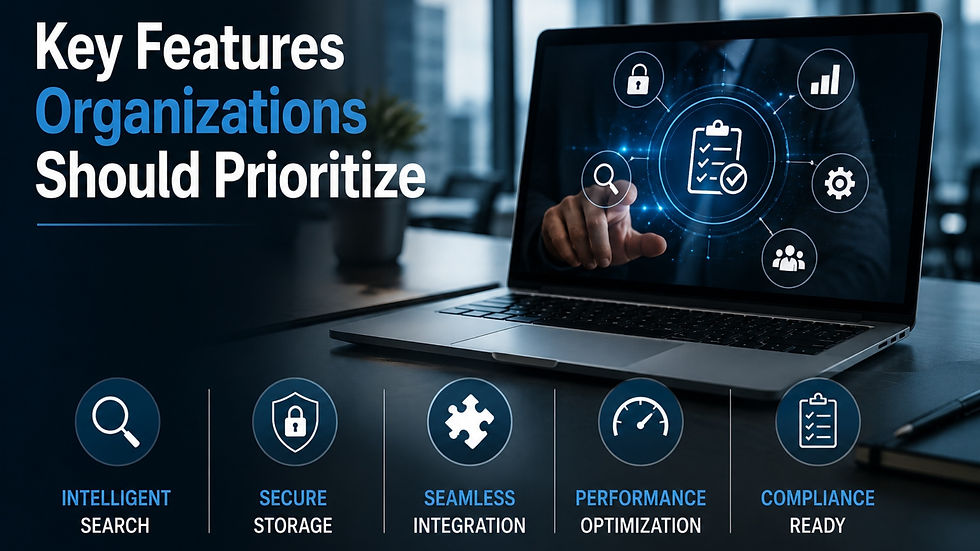
Not all session monitoring solutions deliver the same level of functionality. Experienced administrators usually focus on features that improve both security and operational efficiency, including advanced Screen Monitoring capabilities for better visibility into user activity.
Intelligent Search Capabilities
Modern systems should allow teams to search recordings using usernames, timestamps, applications, or specific events. Fast retrieval becomes essential during investigations.
Secure Storage and Encryption
Recorded sessions often contain sensitive information. Encryption, role-based access, and secure retention policies help reduce the risk of unauthorized exposure.
Integration With Security Tools
Organizations benefit when monitoring platforms connect with SIEM systems, identity management tools, and compliance dashboards. Integrated environments simplify investigations and improve visibility.
Performance Optimization
Poorly configured monitoring systems can affect virtual desktop performance. IT teams should test deployment settings carefully before scaling across large environments.
How Businesses Use Session Monitoring in Real Situations
Real-world use cases demonstrate why session visibility remains valuable across industries.
A healthcare provider may review recordings after detecting unauthorized access to patient records. A financial company might investigate unusual transaction behaviour from privileged accounts. Customer support teams sometimes use playback features to resolve workflow errors or improve employee training.
These practical applications show that monitoring is not limited to cybersecurity alone. It also supports operational accountability and service quality.
You can also watch: EmpMonitor: All-In-One Workforce Management Solution | Employee Monitoring Software
Conclusion
Citrix session recording tools continue to play an important role in modern cybersecurity and compliance strategies, especially for organizations managing sensitive systems and remote workforces. Businesses that implement monitoring thoughtfully often gain stronger visibility, faster investigations, and improved operational accountability without compromising employee trust.
The most effective approach focuses on transparency, selective monitoring, secure storage, and ongoing policy evaluation. As workplace environments continue evolving, organizations that balance security with ethical practices will remain better prepared for emerging threats and compliance expectations. Evaluate your current monitoring strategy carefully and identify whether your existing tools truly support long-term operational resilience.
FAQs
What are session monitoring systems used for?
Session monitoring systems track user activity in remote or virtual environments. Businesses use them for security investigations, compliance checks, troubleshooting, and improving accountability.
How do businesses reduce storage costs when recording sessions?
Companies reduce storage costs by recording only high-risk sessions, using compression, setting retention limits, and storing older recordings in cloud archives.
What mistakes should companies avoid during implementation?
Common mistakes include recording too many sessions, lacking transparency with employees, and failing to review recordings regularly. Poor setup can also impact system performance.


Comments